Wednesday, July 24, 2019

What is Radiofrequency Ablation: Is it a safe procedure

Radiofrequency ablation (RFA) is a medical procedure to treat varicose and spider veins and major ache issues. It is a popular treatment used to reduce pain in muscle tissues. A radio wave produces an electrical current that heats up the area around nerve tissue limiting the pain. 

31905568_965875176905018_8975001448290975744_n

RF Ablation is used to treat many health issues such as chronic low back pain, neck pain, and pain due to arthritis, varicose veins and spider veins.

RFA is generally treated using local anaesthesia or conscious sedation anaesthesia. The advantage of RF ablation is that it doesn't stimulate nerves or heart directly, thus it can be used without anaesthesia. It is a very popular and specified method to treat damaged tissues without affecting any collateral tissues.  

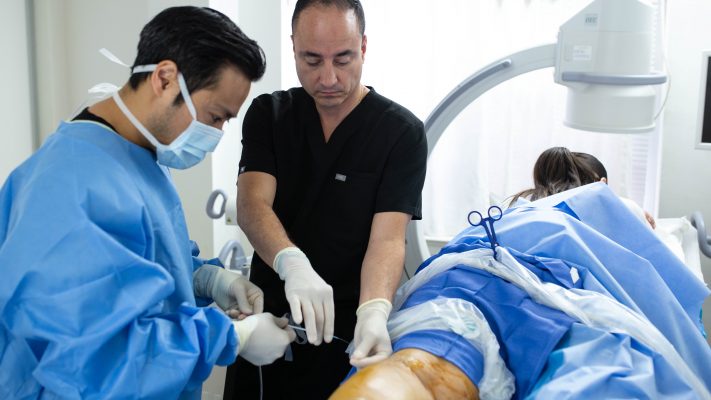
RF ablation procedure is performed under ultrasound or X-ray screening guidance by the doctors. RFA is the best alternative to traditional surgery or stripping in the case of varicose veins. A radiofrequency catheter is injected into the damaged vein and is treated with radio energy, resulting in the collapse of an infected vein. The studies have shown a high success rate of RF ablation with a very low rate of complications.


Before going for the procedure one might think is RF ablation a safe option? Studies have shown that RFA is one of the safest and efficient procedures to treat some forms of pain and venous insufficiencies. It is a minimally invasive method that treats ache with the least complications. There may be a little bleeding at the infected site during the procedure, the doctor may advise and let you know about the procedure well. 

Is RF Ablation Painful?

Radiofrequency Ablation is a non-surgical treatment method that uses heat to damage infected veins and to stop the transmission of pain. It is one of the best procedures that is used to treat several other issues namely neck, back, pelvic pain or peripheral nerve ache and others.  

There may be slight pain after the procedure but it won’t last more than a week or so. Patients are usually up and about back to work within 48-72 hours. 

If you feel any type of discomfort after the treatment, it is recommended that you must see your doctor. Schedule a follow-up post-treatment to address any concerns that you are facing.  

The healing process takes around 2 weeks, as soon as the nerves start healing the pain will reduce eventually. 

Does RF Ablation Have Any Side Effects?

After the procedure, Radiofrequency ablation side effects may or may not be experienced depending upon the complications of the issue. RF Ablation Side Effects include a little discomfort due to swelling or bruising at the site of the treatment, but it doesn’t last for long. Hypersensitivity, tenderness or numbness may be felt at the site of injection. 

Sometimes these signs feel like sunburn and can be managed by resting and applying an ice pack at the site or using prescribed medications.

RF ablation is 80-90% effective on the individuals. The procedure may also be repeated if needed.

Article Source : http://varicose-vein-treatment.over-blog.com/2019/07/what-is-radiofrequency-ablation-is-it-a-safe-procedure.html

Tuesday, July 16, 2019

Why Sclerotherapy Is The Most Preferred Treatment For Venous Insufficiency

Sclerotherapy is the most preferred method used by doctors to treat venous insufficiency. Sclerotherapy is a procedure that is used to treat blood vessels, venous insufficiency, and those of the lymphatic system. A chemical is injected into the vessels which make the damaged veins shrink. Sclerotherapy is an effective treatment to cure varicose veins and spider veins. Sclerotherapy causes infected veins to scar and reroutes the blood through other healthier veins. 

can spider veins go away

Sclerotherapy is an approved medical procedure that removes infected veins from the body and pushes the blood through healthier vessels towards the heart.

The procedure is in use since the 1930s and is a proven treatment to cure venous insufficiencies. 
The use of a chemical solution irritates the lining of the infected blood vessels, causing it to collapse and thus blood flow is directed through healthier vessels. Over time the damaged vessels fade away.
When Sclerotherapy must not be done? Sclerotherapy includes injecting a chemical that affects blood vessels. Hence it is not recommended when you are pregnant. But in case of the severity of the issue, it is advised that one must consult the doctor before the treatment. Also, in cases of thrombophlebitis, Sclerotherapy is generally not recommended.

Before performing Sclerotherapy a proper diagnosis is done based on an individual’s venous anatomy, the severity of the issue or if they have any other skin disease or any other deficiency. 
Sclerotherapy before and after:

Before coming for the treatment, one must;

  • not take vitamin E or any type of non-steroidal anti-inflammatory medicines at least a week before, unless it has been instructed by the doctor, 
  • Wear comfortable and loosely-fitted clothes,
  • Make sure your compression stockings are ready to wear after the procedure.
After Sclerotherapy, you must care to eat healthy and nutritious food and follow the doctor’s advice for better recovery.


Care after Sclerotherapy is important, as the recovery is still in process. The aftercare needed once the Sclerotherapy procedure is complete includes;
  • A follow-up visit within the two weeks of the treatment is advised to improve prognosis.
  • It is advised that patients should wear compression stockings or support stockings to reduce pressure on the legs and help the upwards movement of blood.
  • One should not stand for long, if you have a standing job, you must try to walk after every 30 minutes.
  • Raise your leg using a pillow in order to balance the entire body while sleeping.
Sclerotherapy solution includes commonly used agents namely polidocanol or chromated glycerine, hypertonic saline, and sodium tetradecyl sulphate. Hypertonic saline 23.4% concentration has been approved by the USA FDA, but its use in Sclerotherapy is not preferred.

Foam Sclerotherapy is a nominally invasive technique to eliminate ill-favored infected varicose veins and spider veins. A foam sclerosant is injected into the blood vessel to seal it. The blood reroutes itself towards the heart through healthy veins. The procedure takes about 40-50 minutes per session. The sessions depend on the severity of the issue. A sclerosant agent is injected into the veins using a tiny syringe.  

Sodium tetradecyl sulphate and chromated glycerine solution are used with the sclerosant agent. This solution has a consistency similar to shaving foam, which is directed into the veins using an ultrasound. This solution makes the infected veins to shrink and collapse. Foam therapy is used to eliminated tiredness and heaviness of the legs due to inflammation or improper blood flow. 
Are there any side effects of Sclerotherapy?

Serious consequences by Sclerotherapy are extremely rare, but there can be a few after Sclerotherapy side effects;
  • Due to injection swelling or bruising may occur at the site but it will fade away soon,
  • Discoloration may occasionally develop,
  • One may feel tenderness at the affected area,
  • Mild cramping may occur,
If you have any other insufficiency, an allergic reaction may occur not lasting more than a few weeks.


Wednesday, July 10, 2019

Varicose Veins: Symptoms, Causes, And Removal Procedure

Varicose veins are enlarged, twisted, entangled, damaged blood vessels that allow blood backflow. Veins function to carry deoxygenated blood back to the heart. As it requires pressure against gravity, the valve of the veins gets damaged or inflated. This causes venous insufficiencies namely spider veins, varicose veins, and others. 
vein repair
For many people, varicose veins have no symptoms and are simply a cosmetic concern. While in some cases, the signs are visible;
  • Large twisted veins that are visible on the skin surface 
  • There is swelling on the ankles and feet
  • The heaviness of the legs
  • Pain, throbbing and cramping in the legs
  • Itchiness and discoloured skin
  • Swollen blood vessels easily visible on the skin
You must see a doctor ASAP if you see any such signs or symptoms.
Varicose Vein Causes:
Varicose veins are generally seen in women but can happen to anyone, at any age. The chances of varicose veins increase with increasing age. Weak and damaged valves of the veins due to excess pressure are the main cause of the varicose vein.
The veins in the legs work against gravity, hence they need to apply pressure to direct blood to the heart. The valves inside the vein open to help the flow of the blood and close to keep blood flowing backward. If the valves are weak, blood can pull itself back thus causing veins to swell and create a blood clot various other issues. Normally the veins are elastic when damaged they lose their elasticity. This creates an overstretched vein and makes the blood to backflow. This way veins get bigger and inflated causing varicose veins.
Varicose vein risk factors include older age or a family history of a varicose vein; pregnancy; overweight; vitamin, calcium or mineral deficiencies; and leg trauma or accident.
Varicose Vein Treatment: 
Doctors often diagnose varicose veins based on a physical test. Some procedures are used to find out the extent of the problem.
The treatment for varicose veins includes lifestyle changes and medical procedures;
  • Sclerotherapy is the most common and widely used procedure to treat varicose veins. The treatment uses a chemical agent that is inserted into the veins causing irritation and scarring inside the vein and veins collapse soon after. 

  • Laser therapy uses light rays that heat up the damaged veins which fade away soon after. It is mostly used to treat smaller varicose veins. 

  • EVLT uses thermal energy to create heat to close off a varicose vein.

  • Surgery is usually used to treat severe cases of varicose veins and spider veins. It uses ѕtrірріng or “phlebectomy” methods for the removal of varicose veins. 

  • Compression stockings are used to release pressure on the legs and to direct the blood up towards the heart.
Varicose Veins Before And After; varicose veins put you at risk for complications like high blood pressure or heart diseases, skin ulcers and more hence the treatment becomes very important. Treatments also help fade away the symptoms such as pain, swelling, and fatigue and help prevent further complications. 

Article Source :  http://varicose-vein-treatment.over-blog.com/2019/07/varicose-veins-symptoms-causes-and-removal-procedure.html

Friday, July 5, 2019

EVLA Laser Ablation Treatment: Is it beneficial

Laser vein treatment or photo-ablation is an image-guided, minimally invasive technique to treat varicose or spider veins. Popularly known as Endovenous Laser Ablation (EVLA) is a type of treatment uses ultrasound guidance.  The procedure is performed by a phlebologist, an interventional radiologist or a vascular surgeon.

Varicose Veins Before And After

What is Laser Vein Treatment?

Laser Ablation treatment is usually performed in patients with varicose veins, hidden varicose veins, spider veins, venous leg ulcers or any kind of venous insufficiencies. The patient is first diagnosed using ultrasound scanning techniques by an expert. The procedure of diagnosis is always performed with patients being wide awake. Local anesthesia is used before the treatment; if the patient isn’t confident general anesthesia may be used. 

Once the patient is ready for the treatment, the vein to be treated is identified with the ultrasound imaging guidance. The laser vein removal for the twisted, entangled viscose veins is performed by two or more doctors, where one uses ultrasound to detect the site carefully and others prepare for the treatment. 

Local anesthesia is used to numb the site of treatment, a needle or catheter is inserted through this numb area.

In some EVLA systems, a guided wire is positioned precisely using an ultrasound technique to detect the veins properly. 

Once the device has been passed under the ultrasound, the local anesthesia solution is then injected around the veins. A fluid solution is also injected that helps to reduce laser heat and damages the infected vein. 

Laser Ablation for Spider Veins is done to get rid of not just the spider veins, but it also helps to minimize pain, fatigue and also prevent complications. 

Laser Varicose Vein Removal helps damage the infected and unhealthy veins and reroutes the blood through the healthy veins to the heart. 

Arteries carry oxygenated blood from the heart and veins carry deoxygenated blood to the heart and thus the functioning of both the blood vessels helps establish a healthy heart and body. Severe cases of spider and varicose veins can lead to high blood pressure, fatigue, heaviness in legs, and heart or lung diseases. Hence, the treatment becomes important.

Laser Vein Treatment usually takes about 40-60 minutes, make sure you come 15-minutes before the EVLA treatment.

What are the side effects of Laser Ablation? 
Laser Ablation side effects majorly include;
  • Bruising or soreness
  • There are rare cases of a blot clot
  • Temporary numbness on the skin at the site area
  • Darkness at the site on the skin
  • Varicose veins or spider veins may reappear if not properly diagnosed
The pre-treatment diagnosis is important to know about other diseases or deficiencies. 
Laser treatment is not advised for every patient, it is recommended that one must consult with the concerned doctor before going for the procedure. 

Laser Ablation before and after changes are seen within a few weeks, just one small incision can change the skin to completely new and healthy. Patients can resume normal activities within a day. There are no major issues after the procedure yet you must take care of the diet along with;

  • Exercise regularly
  • Walk around every 30 minutes if you have a long period of sitting or standing job
  • Avoid soaking in hot baths for long periods
Vein Clinics of America specializes in all kinds of venous insufficiencies and lymphatic systems. Vein Treatment Clinic is the top treatment center, offering the latest treatments and state-of-the-art technology. Our center sources the best doctors, specialists and dermatologists around the world. Get your free consultation today.

Tuesday, June 18, 2019

Causes of Leg Cramps and Leg Swelling:

Leg Cramps: Cramps or spasms in the legs are painful contractions of the leg muscles. Sometimes, lying down for a long time can cause the muscles in your leg or feet to cramp. The dehydration as well as certain medications, overuse and diseases that affect the brain and nervous system can cause this. Other causes are compression of the calf muscles or those of the back of the knee, too much phosphorus, too little calcium or potassium, and low blood sugar in the body. All these are chemical imbalances in the blood.

laser vein treatment

It is common that popularly called cramps occur during or after the exercise, but it is also true that sometimes they originate when we are resting, especially at night. And while a cramp can be suffered by any muscle in the body, it most often affects the thigh (both in front and behind) and the back of the leg or calf. Upper Leg Cramps can also be seen.

  • The lack of minerals such as potassium or magnesium and the lack of some B vitamins influence the intensity and frequency of cramps. In fact, just when these tend to appear at rest, at night, they may indicate a lack of minerals. In contrast, a diet rich in fruits and vegetables helps prevent them.
  • The use of diuretics and frequent diarrhea can cause dehydration and when electrolytes and mineral salts are lost, cramps can appear more easily. Staying hydrated, especially if physical exercise is practiced, decreases the risk.
  • It is also true that some medications can cause them: Antihypertensives, bronchodilators, drugs for cholesterol. If cramps will happen to you it is compulsory to inform your doctor.
  • On the other hand, alcohol abuse, kidney failure, hypothyroidism, anemia, liver cirrhosis, menstruation, pregnancy or even bone fractures cause a hyper-excitation of the nerves that stimulates the different muscles, which results in the cramps.
Swelling of the ankles, feet and legs: The painless swelling of the feet and ankles is a common problem, particularly among older people. The abnormal accumulation of fluid in the ankles, feet and legs can cause swelling. This fluid buildup and swelling is known as edema.

Causes Of Leg Swelling: Many factors (which vary greatly in their severity) can cause swelling of the legs.

Swelling of legs related to the accumulation of fluid: The swelling of the legs due to fluid retention in the tissues of the legs is known as "peripheral edema." It may be due to a problem with the circulatory system, the lymphatic system or the kidneys.

The factors related to the accumulation of fluid include the following:
  • Acute renal failure
  • Chronic kidney disease
  • Cirrhosis (scarring of the liver)
  • Deep vein thrombosis (DVT)
  • Heart failure
  • Hormone therapy
Swelling of the leg related to inflammation: Leg swelling can also be caused by inflammation in the tissues of the legs. Inflammation may be a normal response to the injury or disease, or it may also be due to rheumatoid arthritis or another inflammatory disorder. Usually, you will feel some pain with inflammation.

Wednesday, June 12, 2019

Complete guide of Varicose Veins and Spider Veins:

Varicose Veins And Spider Veins:

Varicose veins and spider veins are inflamed and twisted veins that usually appear in the legs. Pregnancy, aging and obesity can increase your risk of developing varicose veins and spider veins. Varicose veins and spider veins do not usually cause pain or health problems. If they cause symptoms, or if you want to take them away, talk to your doctor or nurse about treatment options.

laser vein treatment

What are Varicose And Varicose Veins?

Varicose veins are twisted veins that may be blue, red or skin-colored. Larger veins can be similar to a cord and make the skin protrude. Varicose veins usually appear on the thighs, on the front or back of the calves or on the inside of the legs, near the ankles and feet. During pregnancy, varicose veins may appear on the inside of the thighs, the lower part of the pelvis and the buttocks. Varicose Veins Before And After the treatment is compulsory to remove the varicose veins.

What are spider veins?

Spider veins, or spider veins, are smaller than varicose veins. They tend to be red. They look like the branches of a tree or cobwebs. Spider veins are usually seen under the skin, but do not make it protrude like varicose veins. Spider veins can be found on the legs or on the face. Spider Vein Removal Before And After the treatment is compulsory.

What people develop varicose veins and spider veins?

Varicose veins affect women twice as often as men and are more common in older women. Spider veins can affect more than half of women. 

Symptoms of varicose veins and spider veins:

Some women do not experience symptoms of varicose veins and spider veins. If you have them, you may feel your legs extremely tired, heavy or painful. Your symptoms may get worse after sitting or standing for a long time. Your symptoms may improve after resting or putting your legs up. 
Other common symptoms of varicose veins can be:
  • Cramping or cramping
  • Swelling
  • Itch
Changes in hormone levels can affect your symptoms. Therefore, you may experience more symptoms during certain periods of the menstrual cycle or during pregnancy or menopause.

What is the cause of varicose veins and spider veins?

Problems in the valves of the veins can prevent blood from flowing normally and cause varicose veins or spider veins.

Your heart pumps blood filled with oxygen and nutrients through the arteries of the body. Normally, veins have valves that act as fins of a pathway. However, if the valves do not close properly, the blood can return to the lower part of the vein instead of going to the heart. Over time, more blood builds up in the vein and generates pressure, which weakens the walls of the vein. This causes the vein to increase in size.

Why do varicose veins and spider veins usually appear on the legs?

Varicose veins and spider veins usually appear more frequently on the legs. This is because the veins in the legs carry blood to the heart against gravity and it is the longest distance in the body.

Varicose Vein Therapy should be done by the people who is suffering from varicose vein.

Tuesday, June 11, 2019

Benefits of Endovenous Laser Treatment:

How Varicose Veins Occur?

There are several factors that can potentially contribute to the development of varicose veins. These factors can be environmental, occupational, or genetic in nature. Some cannot possibly be avoided, such as heredity and the regular aging process. Others, But nevertheless, can be changed by an individual modifying their lifestyle accordingly. For example, jobs that require the worker to sit relatively motionless for long periods of time can put a significant amount of pressure on the veins and heart. Those working in office jobs are encouraged to take a few minutes to stretch their legs every hour or so. Additionally, hormonal conditions such as menopause and pregnancy might weaken the veins, causing them to bulge and twist. In most cases, regular exercise and a healthy diet can go a long way in preventing varicose veins. If the condition does occur, it might be time to seek Laser Vein Removal.

treatments for leg cramps


How Endovenous Laser Treatment Works:

During Laser Vein Treatment, a very thin laser fiber is used to bring the temperature of the vein up, which gradually causes the walls of the vein to collapse. As for the damaged vein, it is absorbed within the body during the weeks following the treatment until it disappears altogether.

The Advantages of endovenous laser treatment:

There are multiple advantages of endovenous laser treatment when compared to other treatment methods for varicose veins. Some of the advantages of endovenous laser treatment are as follows:
  • A relatively quick treatment
  • A local anesthesia is the only anesthesia required, unlike surgical methods which require general anesthesia
  • The process is minimally invasive, which means that fewer complications will arise from the treatment
  • There is virtually no recovery time involved in endovenous laser treatment. In most cases, patients can get back to their regular daily activities within one day following the procedure. In some cases, patients can go right back to work immediately after the treatment without any risks.
After the Procedure: Following the procedure, the doctor will apply a dressing to the entry point. The patient might be asked to wear compression stockings for approximately one week. These stockings are meant to apply pressure on the surface veins, effectively forcing the blood to flow through other, deeper veins, which will allow the circulation to resume more naturally and without hindrance. Once the patient has completed the procedure and has put the compression stockings on, they might notice that they feel immediate relief from the symptoms of swelling, dolor, and pressure.

Sclerotherapy Solution: Sclerotherapy effectively treats varicose veins and spider veins. It is usually considered the treatment of choice for small varicose veins. The sclerotherapy solution causes the vein to heal, forcing blood to re-route through healthier veins. The collapsed vein is absorbed by the local tissue and eventually disappears. After sclerotherapy, treated veins tend to disappear within a few weeks; although sometimes you can spend a month or more to see the final result. In some cases, several sclerotherapy treatments are needed.

You can also consult from Vein Clinics Of America for spider and varicose veins treatment. Results of Laser Ablation Before And After are satisfactory.