Wednesday, September 18, 2019

Varicose Vein disorder symptoms and treatment

Outpatient methods, minimally invasive Varicose Vein Treatment, are divided into 2 main categories:
  1. Varicose Vein Treatmentmethods –
Thermal ablation
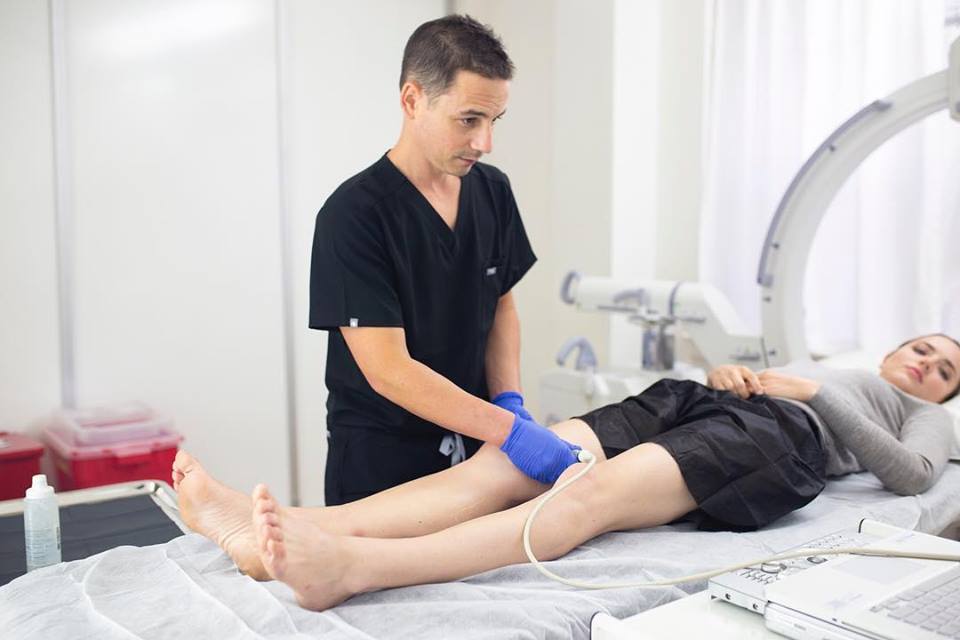
It uses a thermal agent (heat) that can be produced by the use of steam, radio frequency or laser, for the obliteration (closure) of varicose veins. These methods are performed under ultrasound guidance and are minimally invasive. Local anaesthesia or sedation with the same day activity resuming is required.
new 1

Steam method
Laser method
Radio frequency method
  1. Varicose veins treatment methods –
Chemical ablation
Injection of a sclerosing substance (by injection or catheter) into varicose veins which causes a chemically induced irritation, the venous walls swell and thus the vein is obliterated (closed)
Microsclerotherapy –
for obliteration - closure of small and superficial varicose veins (venectasias and certain telangiectasias);
Echolithic sclerotherapy - UGS;
ALPHA method - catheter foam under ultrasound guidance;
Treatment of varicose veins by these methods is achieved by obliterating, that is, closing, these veins (varicose veins) with the help of a thermal or chemical agent. This stops the blood flow in the varicose veins, which is absorbed by the body over time and completely disappears. The blood flow is redirected through the healthy veins of the affected leg. These methods can be used alone or in combination with other methods within the clinic, depending on the patient's diagnostic landscape, so that the end result is as good as possible. In the case vascular surgeons are trained to use all the minimal-invasive methods, the option of combinations being discussed with the patient before the medical act.
Varicose veins treatment methods –
Surgical treatment of varicose veins: Stripping is the most widespread method used these days. Requires general anaesthesia or spinal anaesthesia, recovery time 7-14 days, hematomas may occur, in some cases even infections of the incisions, as well as postoperative pain.
Other risk factors for the development of varicose veins are:
Intense physical exertion
Practicing sports that involve sudden starts and stops (tennis, for example)
Hot baths and prolonged state in saunas (determines the expansion of blood vessels due to heat)
Removing unwanted hair with hot wax
Uncomfortable shoes - too high or too narrow heel
Smoking and excessive coffee or alcohol consumption
Long-term contraceptive administration (due to hormone content)
Treatment For Varicose Veins: How we recognize them?
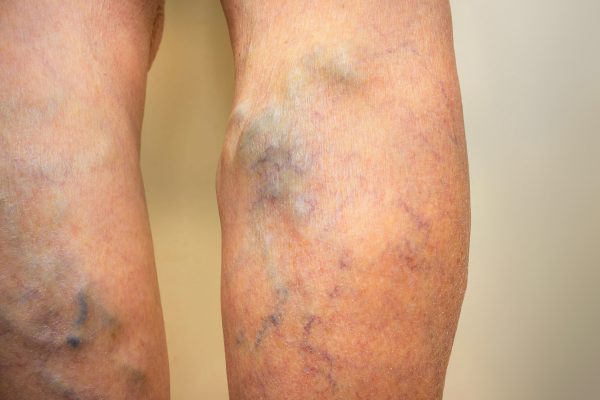
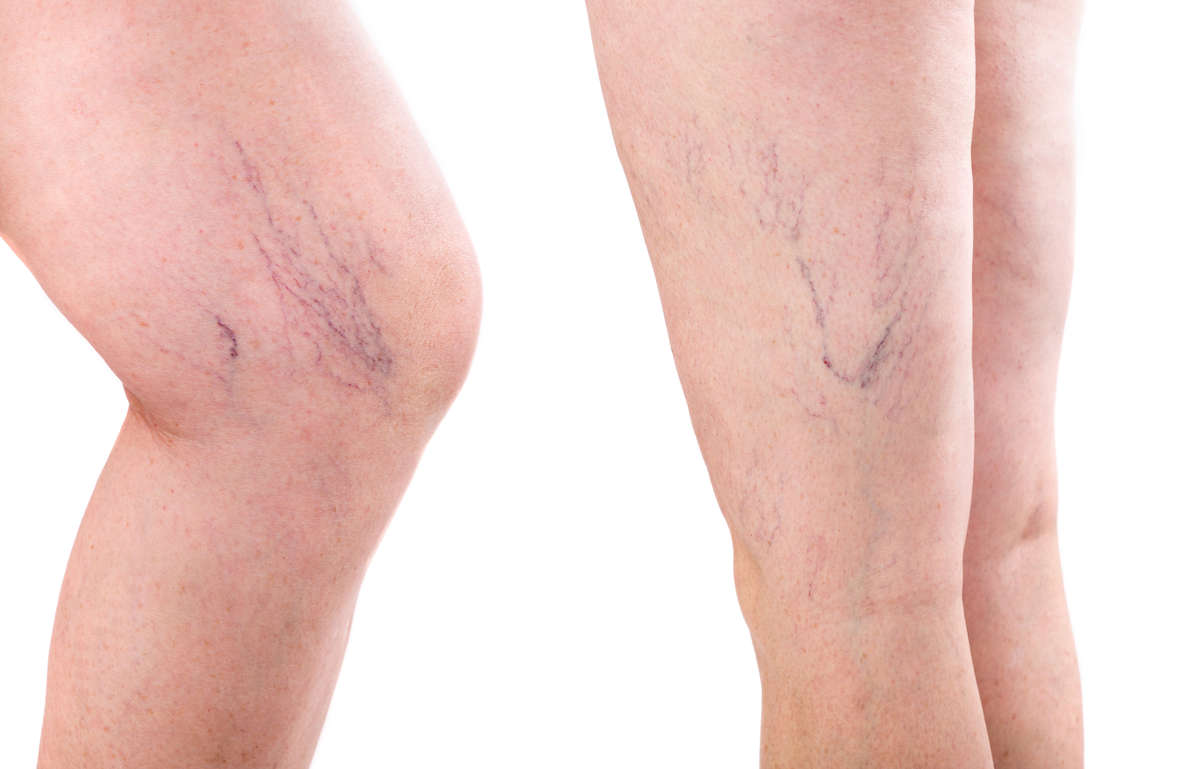
Varicose veins are recognized by their appearance. They appear on the legs and are prominent, being easy to observe on the surface of the skin. They are inflamed and have a purple, blue color. In some cases, the area around them is inflamed, and the skin is dry and stretched. In some cases, eggplants appear around the prominent veins.
Beyond the characteristic aspect, there are Varicose Veins Symptoms such as:
Feeling tired, heavy feet
Pains, stings, tingling in the legs
Bleeding from varicose veins
Varicose Veins Before And After: Varicose veins have multiple stages of development, and at first they can only look like a spider's web, the other symptoms appear later. At the same time, depending on their lifestyle, they may improve or, on the contrary, may worsen. In the early stage, varicose veins are not accompanied by pain and are not very prominent.
Article Source : https://www.zumvu.com/varicoseveinspain/post/171626/
Thursday, September 12, 2019

Laser treatment may be the permanent solution to vein problem

A superficial vein dilates and becomes tortuous? It is a varix , which draws a purplish mark on the leg and often hurts. It shows a flow of blood against the current, down to the foot instead of back to the heart. If this reflux is important, the vein must be operated.

Board-certified-doctors-Vein-Treatment-Clinic

The principle of the Laser Varicose Vein Removal

The endovenous laser treats unsightly surface varicose veins. Laser Vein Removal acts on the vein inside the thigh (or saphenous varix ). Of all the operative techniques, this method is the least traumatic. This is particularly a good alternative to stripping.

The heat emitted by the laser alters the vein. It breaks down and is eliminated by the body over time (between three to six months). The vascular surgeon or phlebologist operates under ultrasound control, it is important. Local anesthesia with sedation is sufficient. Laser Ablation Side Effects are not much.

How is the intervention done?

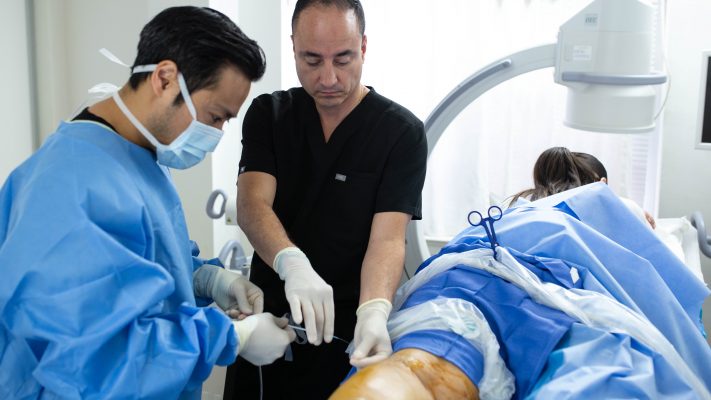
The laser fiber is introduced inside the vein, most often at the knee. The infiltration of local anesthetic forms a thickness of water around the vein to protect the neighboring tissues of the laser and to avoid any risk of burns.

The specialist activates a laser shot every three millimeters, removing the fiber as it goes outward. If necessary, the varicose branches are removed by phlebectomy using tiny incisions. A compression stocking is placed.

The consequences of the intervention

We go home during the day, walking is allowed right after the intervention. The compression stocking is kept for the first 24 hours, then only the day for another eight days. Despite this precaution, it is normal for some bruises (or bruises) to form. It is little or no pain.

Activities can be resumed the next day, with the exception of sports. For more comfort, we can provide a few days of rest. Physical activity is resumed fifteen days after the intervention.

For which woman is the endovenous laser recommended?

RF Ablation Side Effects-  treatment of varicose veins is possible if ...
  • The varicose vein depends on the vein at the front of the leg (long saphenous vein).
  • The varix allows the introduction of the laser fiber.
  • The varicose is big.
This is not possible if ...
  • The varix is too tortuous or superficial.
  • The varicose vein of the calf depends on the long saphenous vein.
  • The patient is on hormonal treatment, including contraceptive pill.
And if you want it any way ...
  • The vein is too sinuous or too superficial. The varix is removed by means of another surgical technique.
  • You must stop taking hormones, ideally a fortnight before surgery to resume a month later.
Radiofrequency Ablation

This procedure involves heating the varicose vein wall, by using energy (radiofrequency). In the procedure, radio waves (ie radio frequency) are transmitted through the vein wall. The doctor will anesthetize the area, use the ultrasound to see the inside of the leg, and then insert a catheter (a very thin tube) along the vein to apply this energy along the venous wall. The coming wall will heat up because of the released energy, it will thicken and contract, and eventually it will be reabsorbed by the body and disappear.

This heat, therefore, warms the vein, until its walls collapse and the area is sealed. Once the vein has been sealed, the blood will naturally be redirected to one of the healthy veins. The patient will have to wear compression stockings up to 1 week after undergoing this procedure. Radiofrequency Ablation Side Effect is negligible.

Article Source : http://adrianwillson.booklikes.com/post/1946121/laser-treatment-may-be-the-permanent-solution-to-vein-problem

Tuesday, September 3, 2019

Care After Sclerotherapy

The principle of treatment with sclerosis is based on the injection of a product that irritates the vein, thus causing inflammation.
Redness, painful nodules to the touch, swelling and pain are therefore logical reactions.
How can these disadvantages be reduced?

vein specialist

To reduce local phenomena, it is advisable to wear a class 2 compression for 1 week after the session.
And since Sclerotherapy Recovery is an injection into a vein, it can result in a hematoma. Especially if you tend to get easily ... In this case, apply an ointment Voltarene or Cicabio or Hirucreme. These blues will leave without sequels.

Sclerotherapy Solution technique can also be a source of minor discomfort: brown spots, efflorescence of small capillaries, cutaneous necrosis. All this will be repaired during the session following the treatment. However, if anything seems abnormal, you should contact your angiologist. He knows the peculiarities and possible effects of the product used to treat you and will do the right thing.

Can sclerotherapy reduce pain, heaviness and leg swelling?

YES, in 70% of cases according to a multicentric study (Weiss et al), but this result cannot be guaranteed.

How long to see a complete result on a varicose vein?

Sclerotherapy Before And After; on an average it takes 3 months depending on the size of the vessels. But in 3 weeks, we have a good idea of the effectiveness of the Laser Vein Treatment. In fact, it is useless to practice a session every week, some veins will not even have time to disappear.

How long between two sessions?

The figure recommended by all learned Vein Clinics Of America is about 3 weeks.

Is it definitive?

The treatment of a varix is definitive but not the treatment of the venous disease. Regular monitoring should be done as other varicose veins may appear at your own pace.

Laser Ablation Before And After treatment?

You must not play sports for at least 48 hours after a session. Sometimes more if treated veins are important.
Sun and UV are not recommended until hematomas and reactions disappear. This can leave indelible stains.
Direct heat and hair removal are not advisable until the sclerosis-related reactions disappear.
In addition, waxing with hot wax can cause the appearance of micro-varicosities. Your beautician will advise you.
We propose to our patients the laser therapy which clears the small varicose veins. Patient can cmpare results of Laser Ablation Before And After.

In total
The consequences of sclerotherapy can be confusing for those who do not practice it, it is recommended to contact as much as possible with the practitioner who performed the act, or failing that with another specialist competent in the matter. More often than not, there will be nothing more than reassuring explanations for the patient, but if a genuine complication happens on a case-by-case basis, it could be handled in a suitable way and without delay.

Visit us for more details about the veins problem and the best suitable treatment. We are in this field since long and treated multiple patients.

Sunday, August 25, 2019

CAUSES, SYMPTOMS AND TREATMENTS FOR LEG SWELLING AND LEG CRAMPING

Leg Cramping

A leg cramp is an enforced and coercive contraction of leg muscles. It causes visible hardening of the muscle. It can occur so many times until it is resolved. It can affect a part of the leg or the entire leg muscles. Leg cramps are painful and can occur suddenly anytime. Older people are more affected by these leg cramps. Upper leg cramps are more severe than the lower leg cramps. With the increase of age, the muscles get weaker which increases the chances of leg cramps.

AdobeStock_159186516-600x400


The major cause of leg cramps is the overuse of leg muscles. It can also cause due to dehydration or standing or sitting for long durations. Sometimes doctors are not able to diagnose the actual cause of leg cramps. 

However, some medical conditions causing leg cramps include venous insufficiency, arterial dysfunction, nerve compression, and mineral depletion.


Leg Swelling

Swelling in legs is also called peripheral edema. It can occur due to various causes. It mainly occurs due to a muscle or tendon injury or lymphatic disease.

Causes of Leg swelling

The possible causes of leg swelling include obesity, sitting or standing for long periods, and some medications such as steroids, aspirin, ibuprofen, estrogen, and some antidepressants.

Swelling in the leg can also be caused due to some medical conditions such as cirrhosis, blood clot, venous insufficiency, pericarditis, hormonal changes, and infection or injury.

Treatments for Leg Swelling

There are several leg swelling treatments available depending upon the causes and symptoms of your leg swelling. Consult a doctor for better treatment options. However, you can also consider some home remedies to treat your leg swelling. These will help you to reduce the swelling from the legs.

Some of the leg swelling remedies are as follows:
  1. Maintaining the proper body weight by maintaining the diet.
  2. Avoid wearing tight or restricting clothes in your legs.
  3. Wear compression stockings or hose.
  4. Raise your legs up throughout the day.
  5. Stay active and do exercise and stretching of your legs.
  6. Reduce the quantity of salt in your food.
  7. If you are involved in a job that requires prolonged sitting or standing then move every hour.

Diagnosis of Leg Swelling

Your doctor will do a certain physical examination as well as some diagnostic tests to find out the actual cause of the leg swelling.

Some of the diagnostic tests include blood tests which include blood count, electrolytes, kidney, and liver functions, ultrasound, electrocardiograms, etc.

After diagnosing your disease the doctor will start the treatment according to the diagnostic results. Make sure that you always book an appointment with a board-certified physician so that you get the highest quality of care.

Vein Treatment Clinic provides treatment for all kinds of leg diseases including leg cramping and leg swelling. We have the nation’s best doctors and specialists. All are well qualified and are board-certified. We deliver the best services to our patients. For booking an appointment and to know more about us, visit our official website veintreatmentclinic.com.

Monday, August 12, 2019

SPIDER VEINS: CAUSES, SYMPTOMS AND TREATMENTS

Spider veins are known so because of its spider webs like appearance. Spider veins are the thin vessels that are directly connected to the venous system. These thin blood vessels when gets damaged then can be easily seen as red, blue, or purple colored lines just below the surface of the skin.

can spider veins go away

Causes of Spider Veins

The major cause of spider veins diseases is chronic venous insufficiency. It is caused due to improper circulation of blood in the veins.

Spider veins are only cosmetic problems. These mostly occur on the calves, cheeks, thighs, ankles, and nose. Spider vein disease can be caused due to various reasons. Some of these are:
  • Increasing Age
  • Long periods of standing or sitting
  • Hormonal Changes
  • Pregnancy
  • Obesity
  • Heredity
  • Injuries
  • Crossing Legs
  • Exposure to the sun
  • Blockage
Symptoms of Spider Veins

Spider veins symptoms include heaviness in legs, swelling, throbbing, itching, cramping, aching, burning sensations, and tingling.

If the disease is very severe then, you may suffer from ulceration and skin changes.

Best Treatment for Spider Veins

Spider vein therapy includes various treatment options. The treatments for spider veins are very effective, safe and long-lasting. But make sure that you discuss everything about spider vein removal before and after the procedure. If you are suffering from venous insufficiency then you need to get treated for it before the spider vein removal. Otherwise, spider veins may recur after some time.

The various treatment procedures to treat spider veins are sclerotherapy, laser therapy, vein surgery, endovenous laser, and radiofrequency ablation.

However, you can also reduce the effect of spider veins by taking some prevention. A few preventions that can be taken are wearing compression stockings or hose, regular exercise, walking, avoid sitting and standing for long durations, swimming, etc.

Treatments like sclerotherapy and laser therapy are the most effective and successful treatment methods. These are painless and less invasive treatments. These do not have any severe or long-lasting side effects. These processes do not require admission in the hospital for days. These processes can be performed easily in the doctor’s cabin within an hour. These require local anesthesia to make you feel comfortable. You are allowed to walk and resume your daily activities soon after the completion of the procedure. However, a few precautions need to be taken as directed by your doctor.

Diagnosis of Spider Veins

It can be diagnosed by examining the affected areas closely. The doctor gives special attention to the areas having redness, skin discoloration, swelling, and skin ulcers. The best vein specialist will consider the history of your symptoms.

If it seems to be chronic insufficiency then your vein specialist will recommend an ultrasound of the veins in your legs. This helps your doctor to identify the issues and decide the treatment plan accordingly.

Vein Treatment Clinic is one of the best and leading vein treatment centers. We provide all kinds of treatments for spider veins disease to our patients. You can also check our spider veins before and after gallery for your help. We have the spider vein specialists in our center that is well qualified and experienced. For more details, visit our website veintreatmentclinic.com.

Article Source : http://varicoseveinscure.mystrikingly.com/blog/spider-veins-causes-symptoms-and-treatments

Thursday, August 8, 2019

VEIN DISEASES AND ITS TREATMENT

Vein Disease

The veins are the very important part of your body. Veins carry deoxygenated blood from your various body parts back to the heart. But as people get older the problems start developing in the veins causing various diseases and complications. A huge number of people are suffering from vein disease. And if not treated at the initial stage it may lead to some severe complications.

There are lots of vein diseases that can affect normal people. Some of the common veins diseases are:
  • Peripheral Vein Disease- Peripheral vein disease is a kind of blood circulation disorder. Due to this disease, the veins get narrower or blocked. It restricts the flow of blood in legs or arms causing pain and fatigue.

  • Venous Insufficiency- Venous insufficiency is a disease in which the blood vessels get destroyed which restricts the flow of deoxygenated blood back to the heart. Due to this restriction, the veins in the legs get swollen and cause pain. Venous insufficiency is mainly of two types’ varicose veins and spider veins. Varicose veins are a bit serious than spider veins. Spider veins are the smaller veins that do not cause much pain or discomfort however, varicose veins are the bigger veins causing pain, discomfort, leg cramps and swelling in the legs.

laser vein treatment

Treatment for Chronic Venous Insufficiency

Chronic venous insufficiency is usually caused due to improper working of valves in the veins. The defective valves make it difficult to circulate blood from the leg to the heart. Due to this restriction, the blood gets pooled in the legs causing varicose veins disease. There are a lot of symptoms of this disease, and it can affect anyone.

The various risk factors of venous insufficiency are obesity, family history of this disease, inactivity, deep vein thrombosis, pregnancy, and increasing age. Various symptoms of venous insufficiency are swelling, aching, tiredness, burning sensations, itching, stasis ulcers, etc. If you find any of these symptoms then immediately visit a vein doctor and get treated for this disease at an early stage to avoid severity.

The treatment for chronic venous insufficiency depends upon the severity of your disease. Sometimes the doctor needs to provide the combination of treatments for curing your disease. You can also take some precaution for reducing the effect of this disease. Some of the precautions include, regular walking, exercising, swimming, wearing compression stockings, losing weight, avoid sitting or standing for long periods, maintain a proper diet, etc. Some antibiotics are also given to treat this disease at an early stage.

Various other treatment options include surgical methods, laser therapy, sclerotherapy, vein stripping or ligation, vein bypass, etc. These surgical and minimally invasive options are done as prescribed by your vein specialist.

Vein Treatment Clinic provides the best treatment for all kinds of vein diseases including venous insufficiency. We use the latest and most advanced medical techniques to treat our patients with minimal discomfort and pain. We have top vein specialists from around the world. For more details about our treatment procedures and us, visit our official website veintreatmentclinic.com.

Artical source : https://varicoseveinclinicblog.wordpress.com/2019/08/09/vein-diseases-and-its-treatment/

VARICOSE VEINS: CAUSES, SYMPTOMS AND TREATMENTS

Varicose Veins

Veins are the blood vessels that are used to carry deoxygenated blood from all your body parts back to your heart. The elevated pressure on the veins that are present just below the surface of the skin can cause varicose veins disease. Varicose veins are also known as varicosities.

blood clot ultrasound leg images

What are Varicose Veins?

Most of the people don’t know what are varicose veins. Here is the answer for them. Varicose veins are unhealthy veins. These veins are caused due to high blood pressure.

Varicose veins can occur in any part of the body but mostly found in the legs. There are lots of factors that lead to varicose veins problems. Some of these are family history, obesity, pregnancy, increased age, long hours of sitting or standing, etc.

Varicose vein therapy is minimally invasive and painless. The therapy involves a little change in lifestyle. It helps to get relief in symptoms and prevent complications.

Varicose veins are larger and twisted swollen veins. These are red, blue or purple in color. Varicose veins may occur due to chronic venous insufficiency. Women get more affected by varicose veins as compared to men.  

Causes of Varicose Veins

Varicose is mostly caused due to venous insufficiency. The veins in the legs have valves that get opened when they pass deoxygenated blood to the heart and close after passing. This closing of the valve is required to stop the fall back of blood to the leg. But when these valves dysfunctions the blood starts accumulating in the legs. This causes swelling in the veins which develops varicose veins.

Some of the least common causes of varicose veins are phlebitis and congenital abnormalities of the veins.

Symptoms of Varicose Veins

Most of the time the symptoms of varicose veins can’t be find out. However, some of the common symptoms of varicose veins are:
  • Large, twisted and swollen veins
  • Swollen ankles and aching legs
  • Heaviness in legs
  • The appearance of spider veins near the varicose veins
  • Discoloration of skin either blue or brown color
  • Stasis dermatitis
  • Itchiness and redness at skin
  • Cramping in legs
  • Restlessness in legs
  • Lipodermatosclerosis

Treatment for Varicose Veins

Varicose veins can be treated by various different treatment methods. And the selection of the appropriate treatment method depends upon the symptoms and severity of the disease. Some of the common treatment methods for varicose veins are as follows:
  • Sclerotherapy involves injection of sclerosant foam to eliminate the affected veins.
  • Radiofrequency and laser ablation techniques are used to destruct the affected veins.
  • Surgery in which the affected veins are removed from the legs.
  • Leg elevation
  • Compression Stockings
However, are these treatments safe? Well, yes, all these treatments are safe and very effective. These are minimally invasive and painless treatments. But it is important to consult a vein specialist before going for any treatment procedure.
Vein Treatment Center provides the best treatment for varicose veins. For more details visit our website veintreatmentclinic.com.