Wednesday, October 16, 2019

Leg Swelling: Causes And Treatment

Leg swelling is a regular clinical malady. The primary factor of leg swelling must be uncovered as well as healed. It should not be brushed aside and should be treated as soon as possible. In this article, we will discuss the causes of and treatments for leg swelling. 

vein repair

Causes of Leg Swelling:

There are six largest reasons for leg swelling.
  • Venous tension
  • Varicose blood vessels
  • Persistent venous deficiency
  • Venous high blood pressure
  • Venous reflux disease
Leg swelling caused by the retention of fluid in leg cells is known as outer edema. It can be caused by an issue with the blood circulation system, the lymphatic system or the kidneys.

Leg swelling isn't always an indication of a heart issue. Swelling can often occur due to being inactive, after sitting or standing for a long period of time or wearing tight stockings or clothing.

Lymphedema, a hereditary problem, is one of the numerous reasons for leg lymphedema. The genetics of the person is generally responsible for this condition. In such circumstances, the lymphatic system is warped at birth, causing the accumulation of lymph liquid in the reduced component of the body, resulting in swelling. The family background of swelling in the legs is also obvious.


Immediate leg swelling remedies is advisable once the first symptoms show up. One of the most apparent indicators is a lump-like unpleasant swelling. Some other signs and symptoms include swelling or an accumulation of liquid behind the inner knee area or heaviness in the ankle joints. You should guarantee that you consult with your medical professional at the earliest opportunity if you see any type of suspicious-looking swellings in the leg region.

Initial therapy of lymphedema protects against the condition from progressing. The swelling can be decreased with some straightforward treatment. Maintaining the feet elevated as well as the use of elastic stockings is vital to reduce the swelling. In order to encourage the lymphatic circulation in the evening, you can cover the legs with flexible covers and keep the foot boosted with the assistance of cushions.

Exercising the leg even with simple exercises helps to maintain leg lymphoedema under control. An exercise regular or an everyday walk can aid in the circulation of the liquids and also aid to maintain lymphedema in check. You need to take instant preventative measures to treat any kind of infection for an ingrown toenail, so as to stay clear of complications.

It is necessary for leg lymphedema people to use comfortable shoes with soft padding to prevent foot injuries. While traveling by air, it is necessary to have compression stockings handy. There may be no cure for the lymphedema leg problem, yet with correct care, the symptoms can be reduced and the onset of the disease can be postponed.

Vein Treatment Clinic is focused on delivering the best and the most advanced therapy and care for various vein diseases. We have nationally approved medical experts who strive to offer quality treatments to the clients. For more details, visit our website and book a consultation. 

Article Source : http://varicoseveinscure.mystrikingly.com/blog/leg-swelling-causes-and-treatment

Friday, October 11, 2019

Frequently Asked Questions On Varicose Vein Disease

Most people believe that you can only get varicose veins on legs, but this is not true. In fact, varicose vein disease can happen to any part of the body, which includes, pelvis, abdomen, face, and even to the uterus. 

31905568_965875176905018_8975001448290975744_n

What Are Varicose Veins?

Varicose veins are ropy, swollen capillaries that are close to the surface of the skin. Knotty blood vessels are the large blue blood vessels that are under the skin. Spider capillaries are smaller sized, red or blue blood vessels that are within the layer of the skin.


The normal function of leg veins is to bring blood back to the heart. During strolling activity, the calf muscular tissue functions as a pump, compressing the leg capillaries as well as requiring blood back in the direction of the heart. To stop blood from pooling back, blood vessels have one-way valves that protect against blood from flowing back down the leg. If the valves are faulty, blood recedes right into superficial veins and gathers down the leg. This process is known as reflux. Reflux results in veins enlarging and ending up being varicose. 

Who is at risk of Varicose Vein disease?

There are various risks associated with varicose veins. These dangers include a family history of varicose veins, obesity, pregnancy, hormonal adjustments at menopause, a job that calls for prolonged standing or sitting, and previous capillary conditions such as phlebitis or deep venous apoplexy.

What are the symptoms of varicose veins?

People often question 

Varicose Vein Therapy:

There are many varieties of vein therapies out there for you to pick from to eliminate those unpleasant veins. Varicose vein removal cream and compression stockings are common for this purpose.

Lotions and creams, nonetheless, are the type of treatment in which you might have to stick to for rather a long time. This therapy in many cases calls for various applications before you can see any kind of effect in all.

The traditional administration of varicose veins is to use compression stocking, exercise, regulate your weight and boost your legs above your midsection as much as possible. The compression stockings will certainly aid the vein in pumping blood up the leg and back to the heart. Though this method will not make the varicose veins vanish. Nevertheless, making use of compression stockings is really vital in not just avoiding worsening of varicose veins, yet also in avoiding recurring issues after treatment.

At Vein Treatment Clinic, we offer a wide range of treatment services to completely alleviate varicose veins and other venous insufficiencies. We strive to source the best and the most qualified experts in the field to help our clients get rid of the issue thoroughly. Visit our website and book a consultation now.

Tuesday, October 8, 2019

What Are The Best Ways To Get Rid Of Leg Cramps?

Have you ever been struck by abrupt, agonizing leg cramps? The majority of us compete with some factor, and it's not a pleasurable experience. All we can take into consideration is how to get leg cramps alleviation. A lot of the moment the leg constrict will go away as fast as it came. Yet what pertaining to those leg pains that will not disappear no matter what you do? There is an alleviation. Take a look at the upper leg cramps therapies listed below to figure out what people have really located most helpful. 

31905568_965875176905018_8975001448290975744_n

  • Injury 
  • Vigorous activity
  • Restless leg syndrome
  • Dehydration
  • Low blood calcium and magnesium
  • Depletion of Adenosine Triphosphate (ATP)
Individuals usually get leg cramps is that they are excessively using a specific muscle. So, if you are working, attempt modifying your position or using other muscular tissues as well as stretch periodically. The key is that you don't want your leg muscle mass worn.

Water Therapy:

A lot of the moment leg cramps are caused as a result of dehydration. This is an easy solution; nonetheless, it's something that a lot of people neglect. Try to consume plenty of water throughout the day, specifically if you continue to have pains. Plenty of individuals do not like alcohol usage water, so acquire a drink such as Gatorade if you don't like the taste of water (wink).

Hot and Cold Therapy:

For those leg aches that do not appear to disappear, a hot or chilly press is commonly required. Take a cool towel or an ice bag as well as use it at the place of the ache. Occasionally a warm pack will certainly work far better. You will certainly have to experiment to see what works best for you. 

Rubbing the area is one of the most regular techniques that lots of individuals try. The great news is that it works! Delicately massage therapy on the area bordering the cramp as well as directly over where it pains. Do not try to hurry it. Go slow until the muscular tissue starts to settle back and you feel relief.

Vitamins:

Your muscular tissue mass requires a large number of various vitamins. Lack of vitamins, such as B12; have really been connected to night-time leg aches. You can take a multivitamin to aid use your muscle mass the nutrients, your muscular tissues need.

Epsom Salt:

If you determine to try a foot washroom, make sure you utilize Epsom salt. Epsom salt consists of magnesium which will definitely take in right into your skin to assist with aches. You can similarly try blending in some apple cider vinegar which is high in potassium. These two minerals are electrolytes, which bring the electric signal to your mind for muscle contraction and relaxation.

Calcium:

An absence of calcium can produce leg cramps too. Calcium is an electrolyte, which, when low, will certainly not allow your leg muscles to sit back. Consuming foods such as milk, cheese, and likewise yogurt, which are high in calcium, can assist. 

Most of the moment leg pains are caused by something that is preventing your muscular tissue mass from relaxing. Just keep in mind to stay hydrated and try to stretch regularly throughout the day. If none of these methods feature, after that you might need to see a doctor. 

Vein Treatment Clinic offers various treatments and therapies to alleviate the pain associated with leg cramps as well as causes. We source the best pain doctor around the nation who are focused on helping and assisting clients in need. For more information, get in touch with us. 

Wednesday, September 25, 2019

ClariVein - a minimally invasive procedure for removing varicose veins

Classical lower limb varicose vein treatment was associated with a fairly high risk of recurrence, as well as a long recovery process.

blood clot ultrasound leg images

Varicose veins of the lower extremities are a circulatory system disease consisting in the permanent widening of veins, which take the form of elongated and hardened with often accompanying reliefs. According to the pathogenesis of the disease, varicose veins develop as a result of excessive venous pressure and weakening of the walls of the vessels, which leads to valve damage and aggravation of the problem. Genetic load is considered to be the main cause of varicose veins. In addition, there are a number of environmental factors that can accelerate the development of the disease such as passive lifestyle, overweight or obesity, age, long standing position, increased pressure in the veins due to pregnancy or constipation, and birth defects or acquired under construction he lived.

Varicose veins are a common problem affecting millions of people around the world especially in the United States and Western Europe. The disease usually develops with age after 40 and affects women almost twice as often as men. Varicose veins of the lower limbs are a progressive disease, and if left untreated, they can lead to serious complications.

Currently, many lower limb varicose vein treatments are available. In recent years, Clarivein Procedure, which is characterized by low invasiveness and a good cosmetic effect, has gained great popularity.

Detail about Clarivein Treatment

The Clarivein Treatment is a modern and minimally invasive technology for the treatment of lower limb varicose veins.  

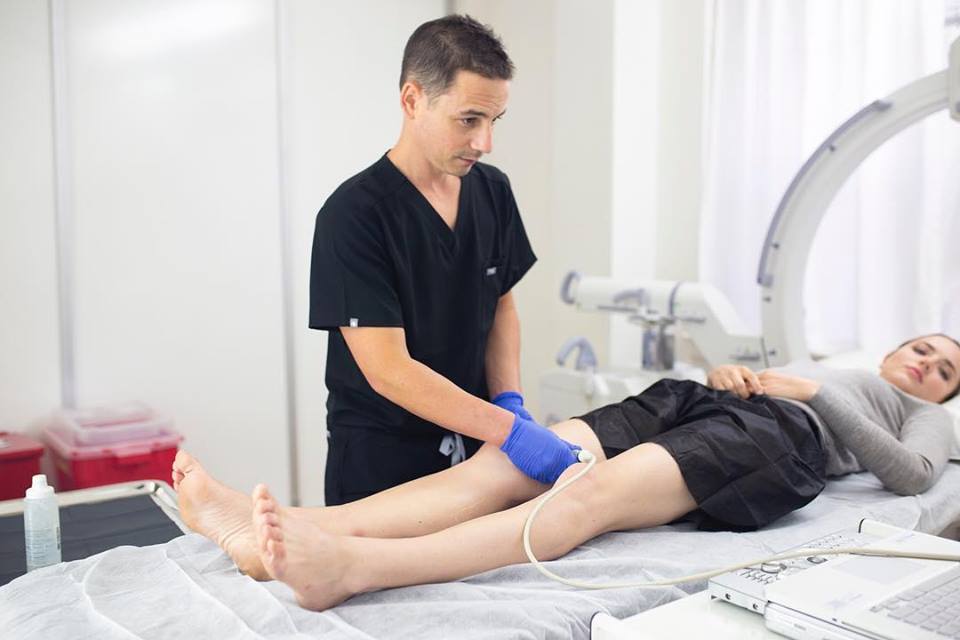
Qualification for the treatment of varicose veins with the Clarivein for Spider Veins takes place by a specialist consultation based on a Doppler ultrasound examination of the lower limbs. The surgeon determines the indications and technical possibilities necessary to carry out the procedure according to the patient's personal predisposition.

The procedure is performed as part of one-day surgery and is performed under local anesthesia. The duration of the procedure is about 20 minutes. The procedure involves the introduction of a rotary catheter into a vein under the control of an ultrasound scanner, which through a rapid rotation leads to a narrowing of the blood vessel. During the procedure, simultaneous application of the sclerotic solution occurs.

After the procedure, walking and wearing compression stockings are recommended. A follow-up visit usually takes place within 5-10 days after surgery.

Varicose veins treatment with the Foam Clarivein

The advantage of Foam Clarivein technology is the lack of high temperatures, which are associated with a small Clarivein Side Effects. The minimal invasiveness of the ClariVein method is characterized not only by the lack of cuts on the skin and scars but also allows to significantly reducing pain and bruises Clarivein before and After. In addition, the patient is able to return to daily activities and physical activity immediately after the procedure.

ClariVein technology allows patients to get rid of varicose veins as a disease as well as a cosmetic defect in a quick, safe and effective way. The effectiveness of Clarivein Recovery is estimated at over 90%.

Article source : https://laserandveincenter.atavist.com/clarivein-a-minimally-invasive-procedure-for-removing-varicose-veins

Wednesday, September 18, 2019

Varicose Vein disorder symptoms and treatment

Outpatient methods, minimally invasive Varicose Vein Treatment, are divided into 2 main categories:
  1. Varicose Vein Treatmentmethods –
Thermal ablation
It uses a thermal agent (heat) that can be produced by the use of steam, radio frequency or laser, for the obliteration (closure) of varicose veins. These methods are performed under ultrasound guidance and are minimally invasive. Local anaesthesia or sedation with the same day activity resuming is required.
new 1

Steam method
Laser method
Radio frequency method
  1. Varicose veins treatment methods –
Chemical ablation
Injection of a sclerosing substance (by injection or catheter) into varicose veins which causes a chemically induced irritation, the venous walls swell and thus the vein is obliterated (closed)
Microsclerotherapy –
for obliteration - closure of small and superficial varicose veins (venectasias and certain telangiectasias);
Echolithic sclerotherapy - UGS;
ALPHA method - catheter foam under ultrasound guidance;
Treatment of varicose veins by these methods is achieved by obliterating, that is, closing, these veins (varicose veins) with the help of a thermal or chemical agent. This stops the blood flow in the varicose veins, which is absorbed by the body over time and completely disappears. The blood flow is redirected through the healthy veins of the affected leg. These methods can be used alone or in combination with other methods within the clinic, depending on the patient's diagnostic landscape, so that the end result is as good as possible. In the case vascular surgeons are trained to use all the minimal-invasive methods, the option of combinations being discussed with the patient before the medical act.
Varicose veins treatment methods –
Surgical treatment of varicose veins: Stripping is the most widespread method used these days. Requires general anaesthesia or spinal anaesthesia, recovery time 7-14 days, hematomas may occur, in some cases even infections of the incisions, as well as postoperative pain.
Other risk factors for the development of varicose veins are:
Intense physical exertion
Practicing sports that involve sudden starts and stops (tennis, for example)
Hot baths and prolonged state in saunas (determines the expansion of blood vessels due to heat)
Removing unwanted hair with hot wax
Uncomfortable shoes - too high or too narrow heel
Smoking and excessive coffee or alcohol consumption
Long-term contraceptive administration (due to hormone content)
Treatment For Varicose Veins: How we recognize them?
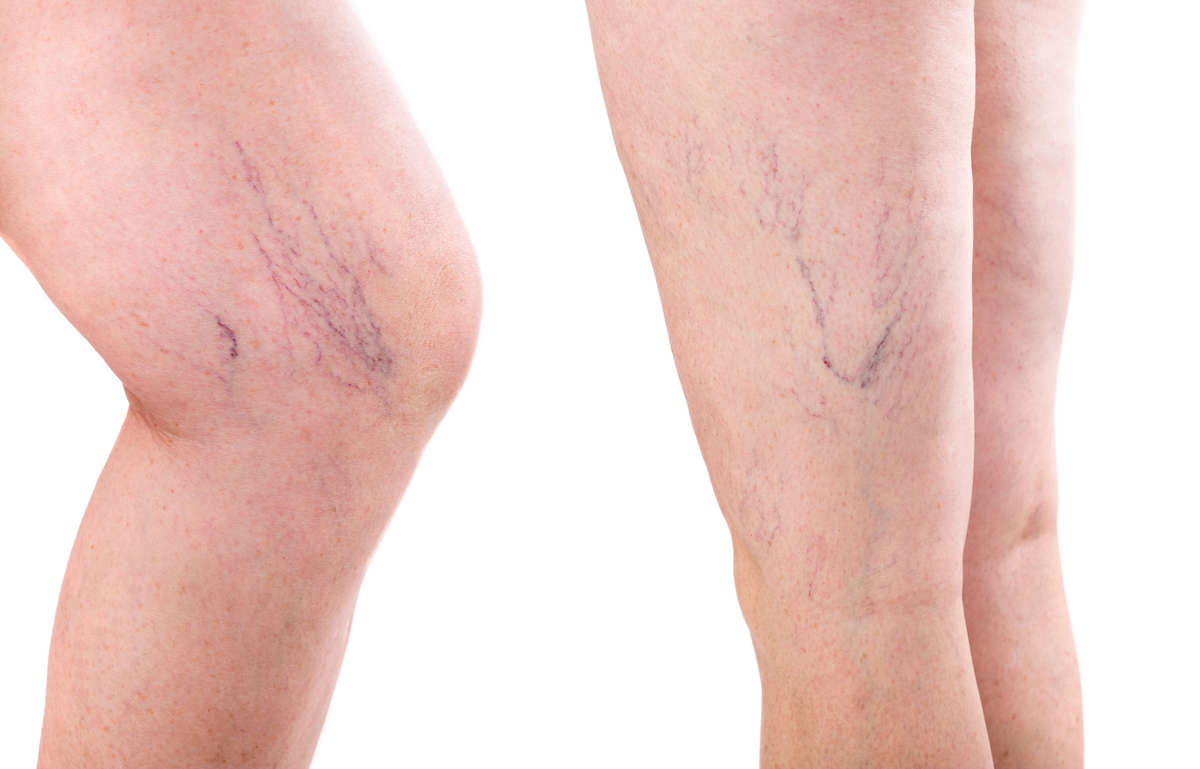
Varicose veins are recognized by their appearance. They appear on the legs and are prominent, being easy to observe on the surface of the skin. They are inflamed and have a purple, blue color. In some cases, the area around them is inflamed, and the skin is dry and stretched. In some cases, eggplants appear around the prominent veins.
Beyond the characteristic aspect, there are Varicose Veins Symptoms such as:
Feeling tired, heavy feet
Pains, stings, tingling in the legs
Bleeding from varicose veins
Varicose Veins Before And After: Varicose veins have multiple stages of development, and at first they can only look like a spider's web, the other symptoms appear later. At the same time, depending on their lifestyle, they may improve or, on the contrary, may worsen. In the early stage, varicose veins are not accompanied by pain and are not very prominent.
Article Source : https://www.zumvu.com/varicoseveinspain/post/171626/

Thursday, September 12, 2019

Laser treatment may be the permanent solution to vein problem

A superficial vein dilates and becomes tortuous? It is a varix , which draws a purplish mark on the leg and often hurts. It shows a flow of blood against the current, down to the foot instead of back to the heart. If this reflux is important, the vein must be operated.

Board-certified-doctors-Vein-Treatment-Clinic

The principle of the Laser Varicose Vein Removal

The endovenous laser treats unsightly surface varicose veins. Laser Vein Removal acts on the vein inside the thigh (or saphenous varix ). Of all the operative techniques, this method is the least traumatic. This is particularly a good alternative to stripping.

The heat emitted by the laser alters the vein. It breaks down and is eliminated by the body over time (between three to six months). The vascular surgeon or phlebologist operates under ultrasound control, it is important. Local anesthesia with sedation is sufficient. Laser Ablation Side Effects are not much.

How is the intervention done?

The laser fiber is introduced inside the vein, most often at the knee. The infiltration of local anesthetic forms a thickness of water around the vein to protect the neighboring tissues of the laser and to avoid any risk of burns.

The specialist activates a laser shot every three millimeters, removing the fiber as it goes outward. If necessary, the varicose branches are removed by phlebectomy using tiny incisions. A compression stocking is placed.

The consequences of the intervention

We go home during the day, walking is allowed right after the intervention. The compression stocking is kept for the first 24 hours, then only the day for another eight days. Despite this precaution, it is normal for some bruises (or bruises) to form. It is little or no pain.

Activities can be resumed the next day, with the exception of sports. For more comfort, we can provide a few days of rest. Physical activity is resumed fifteen days after the intervention.

For which woman is the endovenous laser recommended?

RF Ablation Side Effects-  treatment of varicose veins is possible if ...
  • The varicose vein depends on the vein at the front of the leg (long saphenous vein).
  • The varix allows the introduction of the laser fiber.
  • The varicose is big.
This is not possible if ...
  • The varix is too tortuous or superficial.
  • The varicose vein of the calf depends on the long saphenous vein.
  • The patient is on hormonal treatment, including contraceptive pill.
And if you want it any way ...
  • The vein is too sinuous or too superficial. The varix is removed by means of another surgical technique.
  • You must stop taking hormones, ideally a fortnight before surgery to resume a month later.
Radiofrequency Ablation

This procedure involves heating the varicose vein wall, by using energy (radiofrequency). In the procedure, radio waves (ie radio frequency) are transmitted through the vein wall. The doctor will anesthetize the area, use the ultrasound to see the inside of the leg, and then insert a catheter (a very thin tube) along the vein to apply this energy along the venous wall. The coming wall will heat up because of the released energy, it will thicken and contract, and eventually it will be reabsorbed by the body and disappear.

This heat, therefore, warms the vein, until its walls collapse and the area is sealed. Once the vein has been sealed, the blood will naturally be redirected to one of the healthy veins. The patient will have to wear compression stockings up to 1 week after undergoing this procedure. Radiofrequency Ablation Side Effect is negligible.

Article Source : http://adrianwillson.booklikes.com/post/1946121/laser-treatment-may-be-the-permanent-solution-to-vein-problem

Tuesday, September 3, 2019

Care After Sclerotherapy

The principle of treatment with sclerosis is based on the injection of a product that irritates the vein, thus causing inflammation.
Redness, painful nodules to the touch, swelling and pain are therefore logical reactions.
How can these disadvantages be reduced?

vein specialist

To reduce local phenomena, it is advisable to wear a class 2 compression for 1 week after the session.
And since Sclerotherapy Recovery is an injection into a vein, it can result in a hematoma. Especially if you tend to get easily ... In this case, apply an ointment Voltarene or Cicabio or Hirucreme. These blues will leave without sequels.

Sclerotherapy Solution technique can also be a source of minor discomfort: brown spots, efflorescence of small capillaries, cutaneous necrosis. All this will be repaired during the session following the treatment. However, if anything seems abnormal, you should contact your angiologist. He knows the peculiarities and possible effects of the product used to treat you and will do the right thing.

Can sclerotherapy reduce pain, heaviness and leg swelling?

YES, in 70% of cases according to a multicentric study (Weiss et al), but this result cannot be guaranteed.

How long to see a complete result on a varicose vein?

Sclerotherapy Before And After; on an average it takes 3 months depending on the size of the vessels. But in 3 weeks, we have a good idea of the effectiveness of the Laser Vein Treatment. In fact, it is useless to practice a session every week, some veins will not even have time to disappear.

How long between two sessions?

The figure recommended by all learned Vein Clinics Of America is about 3 weeks.

Is it definitive?

The treatment of a varix is definitive but not the treatment of the venous disease. Regular monitoring should be done as other varicose veins may appear at your own pace.

Laser Ablation Before And After treatment?

You must not play sports for at least 48 hours after a session. Sometimes more if treated veins are important.
Sun and UV are not recommended until hematomas and reactions disappear. This can leave indelible stains.
Direct heat and hair removal are not advisable until the sclerosis-related reactions disappear.
In addition, waxing with hot wax can cause the appearance of micro-varicosities. Your beautician will advise you.
We propose to our patients the laser therapy which clears the small varicose veins. Patient can cmpare results of Laser Ablation Before And After.

In total
The consequences of sclerotherapy can be confusing for those who do not practice it, it is recommended to contact as much as possible with the practitioner who performed the act, or failing that with another specialist competent in the matter. More often than not, there will be nothing more than reassuring explanations for the patient, but if a genuine complication happens on a case-by-case basis, it could be handled in a suitable way and without delay.

Visit us for more details about the veins problem and the best suitable treatment. We are in this field since long and treated multiple patients.